

Accidentally deleted a photo, a document, or an entire folder? This guide shows how to recover deleted photos and files on iPhone, Android, Windows, and Mac using built-in recovery features first (Trash/Recycle Bin/Recently Deleted), then backups like iCloud, Google Photos, OneDrive, and Time Machine. You’ll get clear, step-by-step actions and learn what to do immediately so your chances stay as high as possible.
Introduction
A few taps, a keyboard shortcut, or an over-eager cleanup app—and suddenly the photo from your last trip is gone, the PDF you needed for school disappears, or a work folder vanishes before a deadline. The first instinct is often to download a random “recovery tool” or keep trying different actions. That can make things worse, especially on SSD-based computers and modern phones where deleted data can be overwritten quickly.
The good news: most modern systems offer a safety net. iPhone and Android apps use “Recently Deleted” or a trash folder. Windows has the Recycle Bin and cloud options like OneDrive. Mac has the Trash, iCloud recovery, and Time Machine backups. The key is to take the right steps in the right order—starting with the fastest, safest checks and only then moving to deeper recovery options.
Basics: Where deleted photos and files usually go
“Deleted” often doesn’t mean “gone instantly.” Many systems first move items to a holding area so you can undo mistakes. Typical examples are the iPhone Photos app’s Recently Deleted album, Google Photos’ Trash, the Windows Recycle Bin, or the Mac Trash.
The safest recovery path is almost always: built-in trash folder first, then your cloud backup, and only then specialized recovery tools.
There’s an important difference between sync and backup. Sync (like iCloud Photos or OneDrive sync) keeps devices identical—so a deletion can propagate to other devices. A backup (like Time Machine or File History) keeps older copies so you can roll back. Also note retention windows: Apple’s “Recently Deleted” for Photos and iCloud Drive is typically 30 days; Google Photos keeps items in Trash for 60 days if they were backed up and 30 days if not.
| Option or Variant | Description | Suitable for |
|---|---|---|
| Trash / Recently Deleted | Fast, built-in undo for accidental deletions (time-limited). | Most “just deleted it” situations. |
| Backups and version history | Restore older copies from Time Machine, File History, OneDrive versions, iCloud recovery. | Files deleted days/weeks ago, edits gone wrong, ransomware-like mass changes. |
Preparation: What to check before you try recovery
Before you click anything, protect what’s still recoverable. The main risk is overwriting: when a device stores new data, it may reuse space that previously held your deleted file.
Do these quick checks first:
- Stop creating new data on the same device: avoid new photos, app installs, large downloads, or video recording until you’ve tried recovery.
- Identify what you lost: photo/video vs. document; which app; approximate deletion time; and whether it was stored locally or in a cloud folder (iCloud Drive, Google Photos, OneDrive).
- Check your cloud services: iCloud Photos and OneDrive sync deletions across devices, but they also have their own “Recently Deleted” or recycle bins.
- Have logins ready: Apple Account, Google Account, Microsoft Account—recovery often requires signing in.
- On Windows and Mac: if you use backups, connect the backup drive (Time Machine, File History) before you start searching randomly.
If you want to go deeper later (for example, using Windows File Recovery), plan for a separate destination drive. Writing recovered files back to the same drive can reduce your chances.
Step-by-step: Recover deleted photos and files on each platform
Work through the steps in order. Stop as soon as your file is back—every extra “try” can add risk.
-
iPhone / iPad (Photos): check “Recently Deleted”
Open Photos > scroll to Utilities > Recently Deleted. Authenticate (Face ID/Touch ID/passcode), select the items, then tap Recover. Apple states deleted photos and videos remain there for about 30 days before removal.
-
iPhone / iPad (Files and iCloud Drive): recover deleted documents
Open Files > Browse and look for Recently Deleted (or use iCloud recovery on the web). On iCloud Drive on the web, open Recently Deleted and restore items. Apple documents a similar ~30-day recovery window for iCloud Drive deleted files.
-
Android (Google Photos): restore from Trash
Open Google Photos > Collections (or Library) > Trash. Select the photos/videos and tap Restore. Google’s help pages state: items backed up to Google Photos can stay in Trash for 60 days; items not backed up typically stay 30 days.
-
Windows 11: start with Recycle Bin, then OneDrive
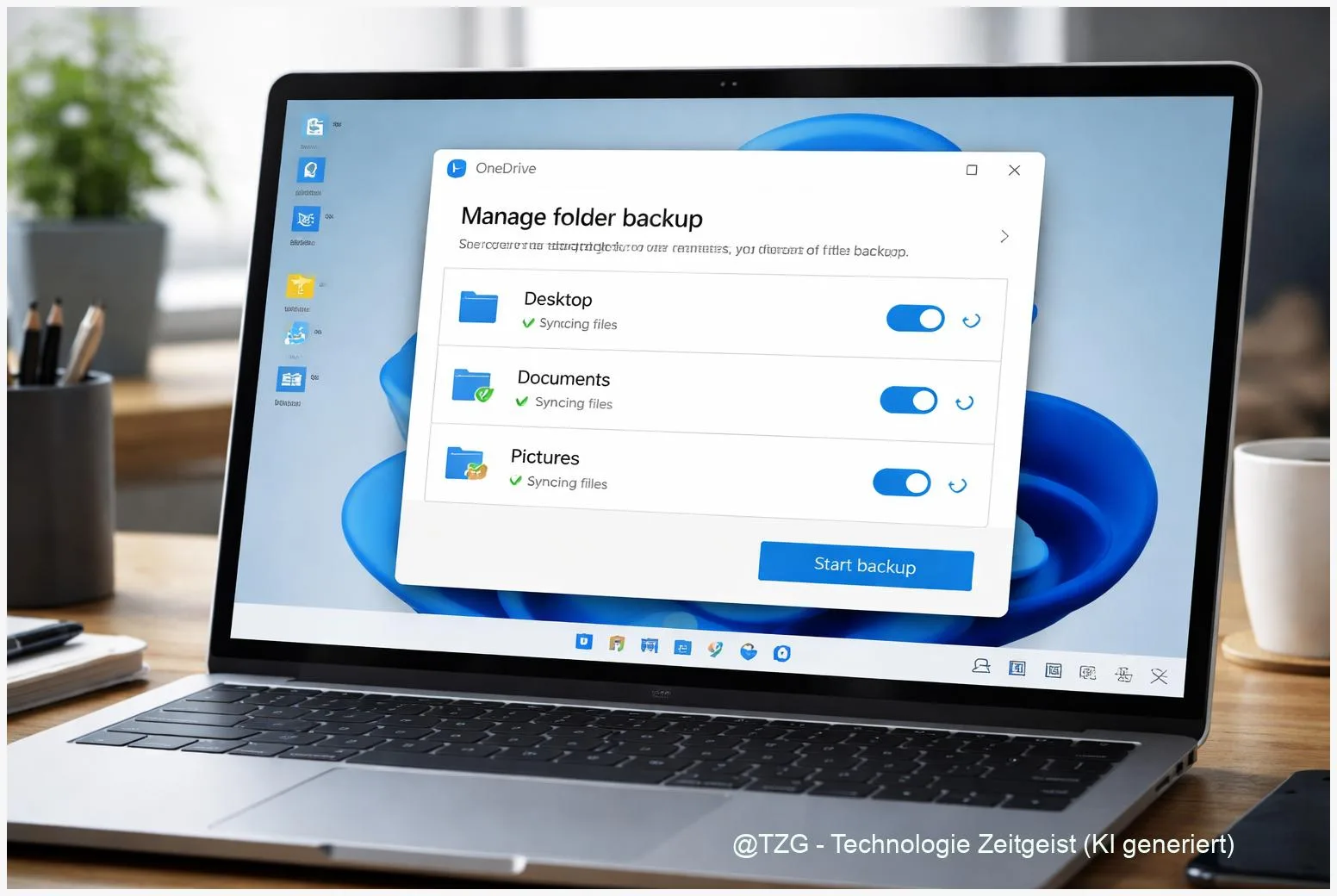
Open Recycle Bin on the desktop, find the file, right-click, choose Restore. If the file lived in OneDrive, also check the OneDrive web interface > Recycle bin. Microsoft notes OneDrive keeps deleted items for a retention period (commonly 30 days for personal accounts; longer for many work/school setups).
-
Windows 11: use version history / backups when available
If you edited or replaced a file, try Version history in OneDrive (right-click a file in OneDrive on the web > Version history) or File History / “Previous Versions” in Windows when configured. This is often the best option if the file is missing and you need an older copy.
-
Mac: check Trash, then Time Machine, then iCloud Drive recovery
Open Trash, right-click the item, choose Put Back. If Trash is empty or the file is older, open the folder where it used to be and enter Time Machine to restore a previous version. For iCloud Drive deletions, use Apple’s iCloud recovery page (Recover deleted files on iCloud.com) to restore within the documented window.
-
Last resort on Windows: Windows File Recovery
If a file was permanently deleted (Shift+Delete) or the Recycle Bin was emptied, Microsoft provides Windows File Recovery (a command-line tool). Install it from Microsoft, recover to a different drive, and expect mixed results—especially on SSDs where deleted blocks may become unrecoverable quickly.
If everything worked, you should see the file back in its original album/folder, and (for cloud services) it should reappear across your devices after syncing.
Tips, troubleshooting, and safer variants
If recovery doesn’t work immediately, these are the most common reasons—and what usually helps.
1) “Recently Deleted/Trash is empty.” You may be outside the retention window, or the item was permanently deleted. Next best step: check backups (Time Machine, File History) or cloud recycle bins (iCloud.com, OneDrive web, Google Photos Trash).
2) “I deleted it on one device and it vanished everywhere.” That’s typical for sync services. The fix is still to restore from the service’s own recovery area (iCloud Recently Deleted, OneDrive recycle bin, Google Photos Trash) rather than searching each device.
3) “The photo wasn’t deleted, it’s just missing.” On iPhone, also check whether it’s hidden (Hidden album) or stored in another account. Apple has a dedicated checklist for missing Photos items.
4) “I need the previous version, not just the file back.” Use version history: OneDrive can restore older versions; Windows “Previous Versions” may appear when File History or similar backup features are enabled.
5) Be careful with third-party recovery apps. Many are legitimate, but results vary and privacy matters. Prefer official tools and backups first. If you must try recovery software, choose well-known vendors, read permissions carefully, and avoid apps that demand full access without clear purpose.
If you want more everyday maintenance tips to reduce future losses, TechZeitGeist also covers backup routines and storage hygiene, for example in guides like TechZeitGeist technology tips and how-tos (overview page).
Conclusion
When something important is deleted, speed and order matter more than fancy tools. Start with the built-in safety nets: Recently Deleted/Trash on phones, Recycle Bin/Trash on computers. If that fails, move to the service that synced the file—iCloud, Google Photos, or OneDrive—because those platforms often keep a separate recovery area for a limited time. Only after that should you consider deeper recovery options like Windows File Recovery. Once your files are back, take five minutes to enable a real backup (Time Machine, File History, or a cloud backup) so the next accident is a minor annoyance, not a crisis.
Tried these steps on your device? Share what worked (and what didn’t) so others can recover their files faster—and consider sending this guide to someone who always deletes things by accident.


Leave a Reply